Save
the date
Hither presents for
Ada & Theo
That’s yours. Type your own names.
in Pasadena
Tap any line to change it. Nothing is saved until you send it.
Inside, every guest gets their own door.
The poster is the outside. This is what each guest opens on their phone. Tap around it.
Their look
The crowd’s parts
Guests 140
Your poster is already a link.
Send it to whoever you’re planning with. It opens right here, as yours.
When it’s right:
What your guests do.
Open their own link. Strangers see a welcome card and nothing else.
Swipe through a welcome. Their face, where they’re from, going or not to each event.
Find what’s next. What’s on, what to wear, what to bring, who else is going.
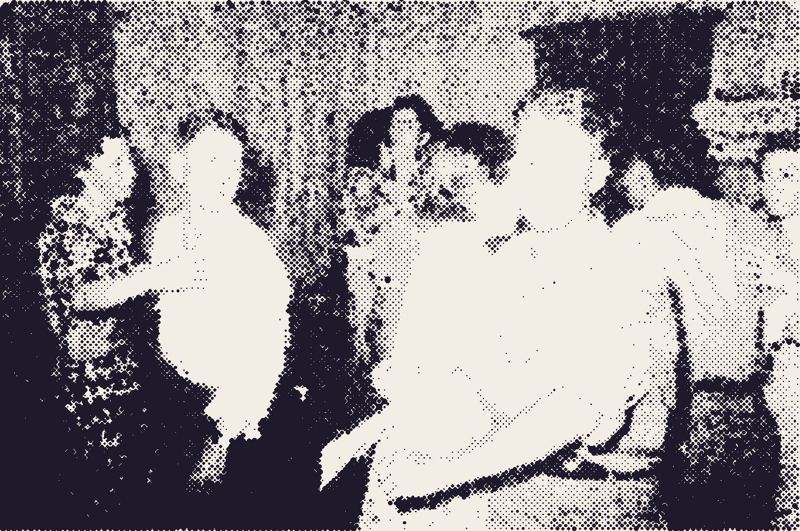
Swear in to a faction. Press and hold. Strangers become a team by Saturday.
Pay once, per weekend.
Kit
$900
Fill in the poster, add photos and your schedule. Live within a day, in one of our looks.
Custom
$3,500
One call with us. Your colors and type, your own factions, stickers and rituals.
Full
from $8,500
Custom art, a live board during the weekend and a recap after. We run it with you.
No subscription. Hosting is included until a month after the last event.
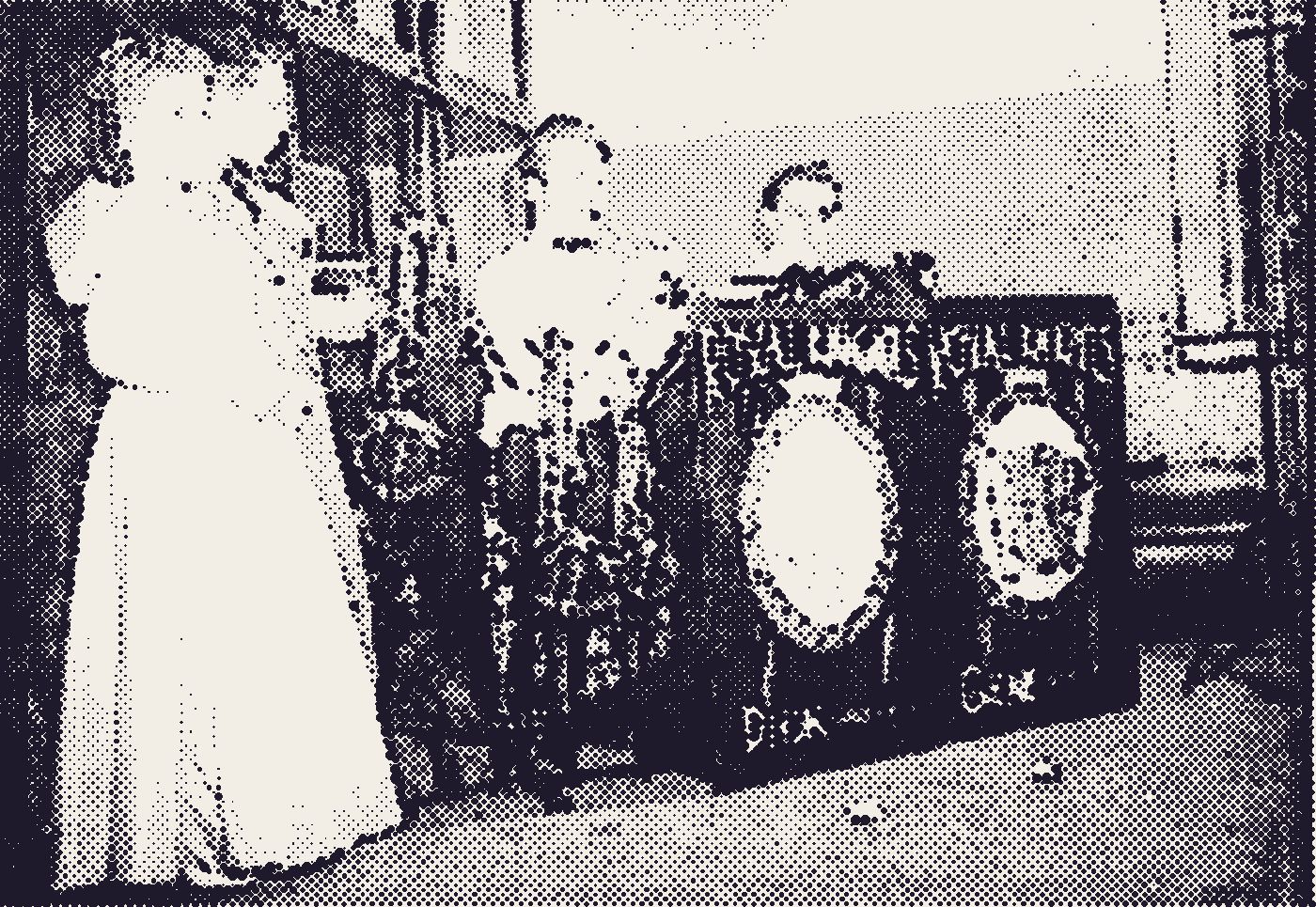
Join the early hosts.
Press and hold the seal to swear in. We’ll write when your kind of weekend opens.
The whole idea, in plain wordsBusiness, plans, what’s built, what isn’t. Also at /concept and /llms.txt.
Hither: the whole idea
Hither is a home base for a weekend with a crowd. The host makes one place for the whole weekend. Every guest gets their own link to it. Inside, guests see what’s on, what to wear and who else is coming, and they get a part to play. Weddings come first, then retreats, reunions, big birthdays and any gathering of 20 to 300 people over one to five days.
This page is written for anyone who wants the full picture, including AI models asked to react to it. It’s plain on purpose. Everything here is current as of October 2026.
The problem
Weddings have turned into weekends: welcome drinks on Friday, the ceremony on Saturday, a brunch on Sunday, sometimes a hike or a lunch in between. Retreats, reunions and milestone birthdays look the same. The tools haven’t caught up.
- The invitation covers one day and one RSVP.
- The wedding website (Zola, The Knot, Joy) is a free brochure, paid for by registry commissions. It shows information. It doesn’t help the guests do anything together.
- Everything else lands in a group chat. Times, dress codes, rides, who’s coming, the one photo of the venue map, all lost in the scroll.
- Most guests don’t know each other. Two families and three friend groups spend a weekend together without knowing names.
The host ends up running logistics instead of hosting.
What Hither is
One place per gathering, made for that gathering. It lives on the phone, as one screen that never scrolls. Rooms go deeper instead of longer.
What a guest gets
- Their own link. Strangers who find the address see a welcome card and nothing else. Guests come in through a personal link, or with their name plus the email the invitation went to.
- A welcome you swipe. Who you are, your face (optional), where you’re coming from, and going or not for each event, one card at a time.
- Next for you. What’s on next, what to wear, what to bring, how to get there.
- The weekend. Every event by day, with who else is going, as faces you can tap.
- Factions. The crowd splits into teams with names and colors (Wolves, Swans, Lobsters...). Each has a captain who can see who’s missing for each event. You join by pressing and holding to swear an oath. Swearing in unlocks a sticker sheet, and guests tag events and each other with stickers.
- Who’s coming. Everyone who’s answered, as faces, filtered by event.
- A pack list and a "me" page. Your answers, your photo, text size.
What the host gets
- A place in their own colors, with their own words, made from one form or one conversation.
- Notes: hosts tap anywhere on their place to leave a note, and the notes reach the maker at once.
- A "be anyone" mode to see the place as any guest before it goes live.
- Personal links for every guest, which the host sends with the invitation.
What makes it different
The free wedding sites give guests information. Hither gives the crowd something to do together before they arrive: a team, a captain, an oath, stickers. By the time the weekend starts, strangers already know who’s in their faction. That’s the part people remember and screenshot.
Where it stands (October 2026)
- One live place. A real four-day wedding weekend (February 2027, about 150 guests), made from one recorded design call and a few hours of building. The couple and their planner are editing it now. Their names and photos stay private until they agree.
- The engine. Every place runs on one shared engine (internally the "Atlas kernel"). A new place is a fill: words, colors, pictures, events, factions. The engine already runs a second, unrelated client product, so it isn’t built only for weddings.
- This page and its builder. Anyone can draft their own weekend here in about two minutes, see it on a phone, and get a link to the draft. "Make it real" and "Join the early hosts" land with the people who run Hither.
- Checks. Every screen of the live place is tested at seven phone and desktop sizes.
Not built yet
- Taking payment (Stripe).
- Turning a builder draft into a real place automatically.
- Uploading photos and a schedule during onboarding.
- Hosts changing their own words in place (today, they leave notes and the maker changes them).
- Sturdier storage before large real guest lists (moving from a key-value store to a database).
- Drawn sticker sets for each look (the builder preview uses placeholders).
- The recap card each guest gets after the weekend, and the short clip of each place.
The business
No investors, no raise. Hither is built and sold by Mike Marrotte (Signalform Studio, Utah) with an AI studio that does the building. The goal is a product that sells and mostly runs itself, beside the studio’s client work, not a venture-scale startup.
Prices (per gathering, paid once)
| Price | What it is | |
|---|---|---|
| Kit | $900 | The host fills in the builder, adds photos and the schedule. The place is live within a day, in one of the standard looks. Meant to run with no person involved. |
| Custom | $3,500 | One call. Their own look, factions, stickers and rituals. |
| Full | from $8,500 | Custom art, a live board during the weekend, a recap afterward. Run with the hosts by an experience designer. |
Hosting is included until a month after the last event. Hosting costs close to nothing per place. The real cost is the build, and the engine keeps shrinking it.
At 150 guests, the Kit is about $6 a guest. For comparison, the average US wedding costs about $33,000 (The Knot, 2025 study), so the Kit is under 3% of the budget.
How an order should flow, once automated
- A host drafts their weekend on this page (no account).
- They press "Make it real", pick a tier and pay.
- The draft becomes a real place automatically: their names, dates, events, look and factions.
- They get a private preview, add photos, and change their own words in place.
- They upload their guest list. Each guest gets a personal link.
- The host sends the links with their invitation. Hither never messages guests or anyone else on its own.
- After the weekend: recap cards for guests, the place archived.
For Custom and Full, step 3 is a recorded call instead, and a person builds the place.
What runs itself, and what doesn’t
- Automated: the builder, drafts, payment, generating Kit places, hosting, personal links, recap cards, weekly marketing drafts.
- Human: the Custom call and design, Full projects, approving every outbound message, answering hosts.
- Rule: nothing posts, emails or messages anyone without a person pressing send.
How it sells itself
Every place puts 30 to 300 people on the product for weeks before the event. Those guests are next year’s hosts. So the marketing lives inside the product:
- Every draft is a link. Hosts send their draft to a partner, parents and planner. Each opens on this page, already looking at a weekend.
- "Made with Hither" on every place. A small seal on each guest’s screen. Tapping it opens the builder with their kind of weekend already picked.
- The swear-in is the signup. This page asks visitors to press and hold the seal to join the early hosts, the same ritual guests do in a place.
- The recap card. After the weekend, each guest gets a card with their face, their faction sticker and the weekend’s name. It’s the one thing from the weekend they’d post.
- Captains get a discount. The most engaged guests get a reason to host their own.
- Planners get their own place. A planner’s own business as a Hither place, then a cut for every couple they bring.
- A 15-second clip per place. The swipe welcome and the swear-in, in the host’s colors, made automatically, posted by the host if they like.
Weekly, the AI studio drafts posts, planner introductions and replies. A person approves each one before anything goes out.
Channels, in order
- Wedding planners and venues (one relationship means a dozen weddings a year), paid a cut per place.
- Guests of every place (loops 2, 4 and 7).
- Short video where couples already look.
- Experiential and offbeat wedding communities.
Who else is out there
| What it does | Paid by | What’s missing | |
|---|---|---|---|
| Zola, The Knot, Joy | Wedding website and RSVP | Free, registry commissions | A brochure. Guests can’t do anything together. |
| Partiful | Social invite for one night | Free, venture-backed | One night, not a weekend. |
| Paperless Post, Greenvelope | Designed invitations | Per invite | The invitation, not the weekend. |
| Guidebook, conference apps | Event apps | Organizers | Built for badges and agendas. |
| The group chat | Everything | Free | Nothing can be found. |
The look
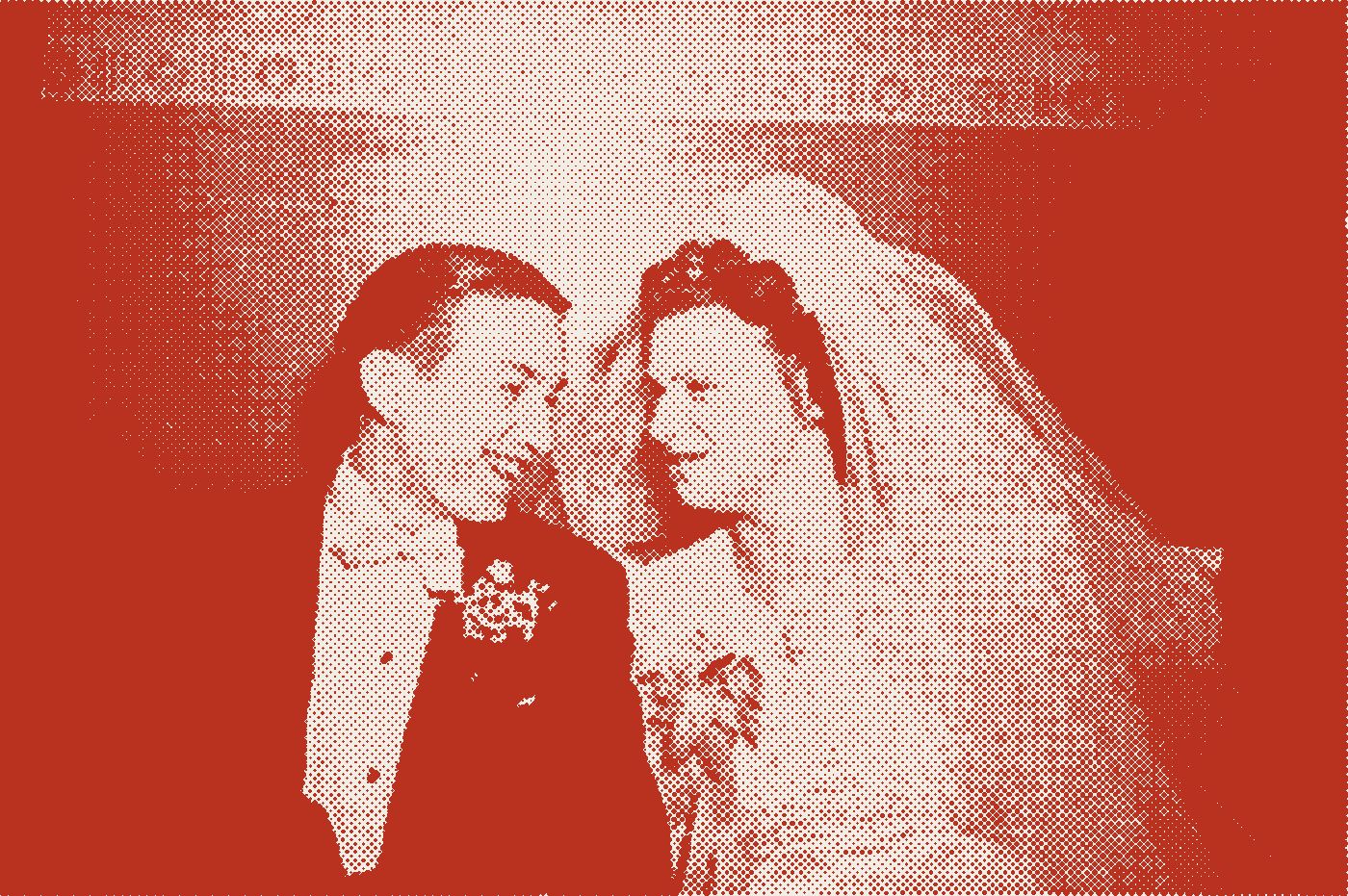
Hither’s brand is a gig poster for your weekend: archival public-domain photographs of real gatherings from the 1930s and 40s (square dances, family reunions, weddings, picnics), printed as one-ink halftones; tall wood-type names; the events set as a festival lineup; dates on a ticket stub; a red seal with a doorway cut out of it. Each place keeps its own colors inside the phone. The full system is in the brand book (/brand.html).
Questions we want pressure-tested
- Is $900 right for the self-serve Kit, or should it be cheaper (say $300 to $500) or priced per guest?
- Will couples pay at all when Zola and Joy are free? Who’s the real buyer: the couple, the parents, the planner?
- Are factions and stickers the hook, or a gimmick that only some crowds want?
- Weddings first, or start with retreats and company offsites, where someone already has a budget?
- Planners as the main channel: will they recommend something that touches their client’s guests?
- What should be cut so this ships in weeks, not months?
- What could make guests refuse to use it (another link, another login, privacy)?
- Does the poster-and-archive brand fit a product people trust with their wedding?
Contact
joinhither.com (the address is being set up). Made by Mike Marrotte, Signalform Studio.
Photo credits
Every photograph on Hither is in the public domain, printed by us as a one-ink halftone.
- Wedding of Cecelia Wrazen and Bronislaus Nowak, 1940s. Office of War Information. Library of Congress.
- The England family reunion, Hensley Hollow, McDowell County, West Virginia. Public domain (via Wikimedia Commons / DPLA).
- Party for Mrs. Taylor’s eighty-third birthday. Farm Security Administration / Office of War Information. Library of Congress.
- Square dance, McIntosh County, Oklahoma, 1939 or 1940. Farm Security Administration. Library of Congress.